


Local Singapore Health Insurance Is Not Enough for Expats
Singapore’s healthcare financing system is geared towards citizens and permanent residents. Relying solely on local Singapore health insurance exposes expats to a long list of risks: lack of access to subsidies, unpredictably high costs, global mobility constraints, coverage gaps, and more.
In this Pacific Prime Singapore article, we give an overview of the healthcare and health insurance landscape in Singapore, highlighting the pitfalls expats may encounter if they rely solely on them. We also explain how expats can better protect themselves while living in the Lion City.

Why International Health Insurance Is Essential for Expats in Singapore
International health insurance plans are built with mobile lifestyles in mind. Coverage travels with you, whether you relocate within Asia or globally. Benefits are comprehensive, with options for inpatient and outpatient care, maternity, dental, vision, mental health, and wellness screenings.
Another common feature with international health plans is direct billing, which offers cashless hospitalization and direct settlement with leading hospitals. Furthermore, most plans include medical evacuation, repatriation, and 24/7 assistance, which are invaluable in crises and for families.
Below are some of the common features of international health insurance:
- Coverage in multiple countries, including continuity of care as you move between countries for work or personal reasons.
- Immediate access to high-quality specialists without referral bottlenecks.
- Flexible benefit levels and customizable add-ons.
- No restrictive provider networks – policyholders have a choice of doctors and hospitals.
- Pre-existing condition coverage on some plans (after the qualifying period).
- Support for complex medical needs, including long-term illnesses or maternity, which can be expensive and under-covered locally.
Peace of Mind and Family Security
International health insurance plans often cover not only the individual policyholder but can also be extended to spouses, children, and sometimes even visiting relatives. These family-oriented international health plans are designed specifically for expats and their dependents living abroad.
Many plans allow adding family members during application, with pricing based on factors such as age and health history. Coverage can include inpatient and outpatient care, preventive services, maternity, dental, and more—tailored to meet the diverse needs of families overseas.
Some insurers offer special benefits like covering young children at no extra cost or discounts for multiple dependents. While coverage for visiting relatives may vary by insurer and policy terms, many international plans can be customized to include short-term visitors under specified conditions.
In all, international health insurance provides comprehensive, flexible, and global protection for families beyond what standard local individual policies typically offer.
Singapore’s Healthcare System: Strengths and Gaps
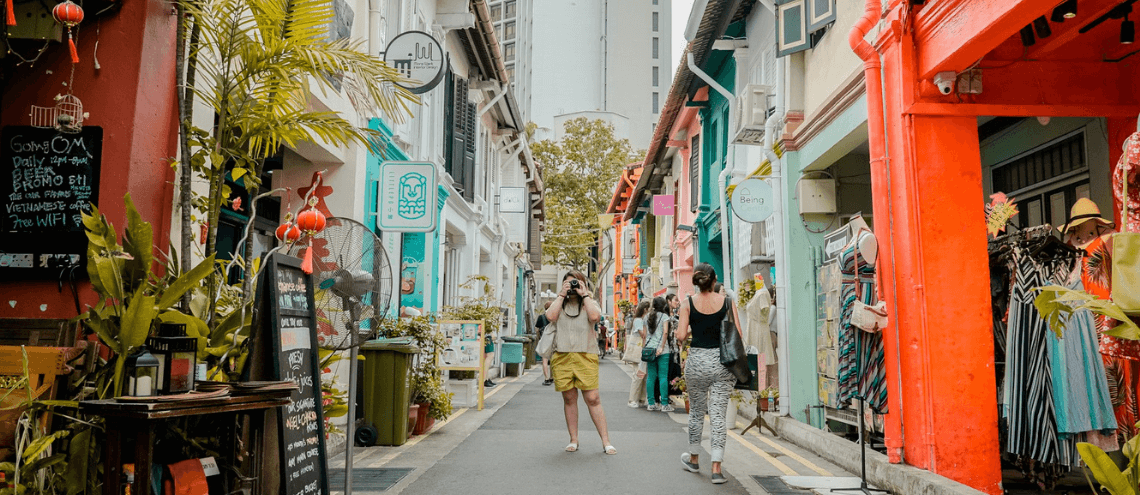
Singapore’s reputation for exceptional medical care is well-founded, but the reality is that local health insurance options can fall short of expats’ expectations.
Singapore’s Healthcare Infrastructure
Singapore’s world-class healthcare system ranks among the global best for quality and outcomes. The system includes public hospitals and polyclinics offering subsidized care to citizens and permanent residents (PRs) and private hospitals with excellent facilities.
While these, along with their well-trained English-speaking medical professionals experienced in a range of specializations, ensure top-notch care, the system is built primarily around the needs of citizens and PRs, not short- or long-term foreign residents.
Medishield Life and Access for Non-Citizens
The backbone of local coverage in Singapore is Medishield Life, a national health insurance plan funded by contributions to the Central Provident Fund (CPF).
However, expats are not better off because only citizens and PRs are eligible for Medishield Life. Moreover, many expats do not contribute to CPF and thus are not entitled to public healthcare subsidies, meaning they must pay full “foreigner” rates for public care, which can quickly add up.
Local Private Health Insurance: Limited for Expats
Expats may naturally consider purchasing private health insurance through local providers, but these come with their own drawbacks.
For starters, these local plans are often restricted in scope, with coverage primarily inside Singapore, and they may lack flexibility for frequent travelers or those who relocate to other countries.
Moreover, these local plans may have low benefit caps, numerous exclusions, and constraints on what is covered (e.g., pre-existing conditions, maternity).

The Limitations of Local Health Insurance for Expats in Singapore

Local health insurance plans in Singapore typically do not cover:
- Treatments outside Singapore (essential for expats who travel or repatriate).
- Certain outpatient procedures and advanced diagnostics.
- Pre-existing medical conditions or chronic illnesses, depending on the policy.
- Emergency evacuations or repatriations.
Moreover, foreigners can face additional hurdles such as waiting periods and medical checks specially required for expats.
Cost Comparison: Public, Local, and International Health Insurance
The table below provides a comparative overview and summary of healthcare costs and coverage for various categories of residents, including expats in Singapore:
|
Category |
Citizens/PRs |
Expats |
||
|
No Insurance |
Local Private Policy | |||
| Hospitalization (public) | Subsidized rates | Full fees, no subsidies | Partial reimbursement | Full coverage (global, often direct billing) |
| Outpatient Care | Subsidized | Full fees | Limited or capped | Flexible, may include wellness, dental, vision |
| Emergency Evacuation | CPF/Medishield | Self-pay, very costly | Not included or limited | Included and global option |
| Overseas Treatment | Restrictions vary | Not covered | Not covered | Covered (worldwide, depending on the plan) |
Employer Coverage in Singapore: Not Always Comprehensive
Many companies in Singapore offer health insurance as part of expat packages. However, it’s also common for expats to discover important gaps only when an unexpected health event occurs. Potential limitations of company plans include:
- Low benefit limits: Employer plans may cap annual coverage, especially for chronic or complex conditions.
- Exclusions: Coverage may exclude certain treatments, such as dental, maternity, or mental health services.
- Limited networks: Some plans only allow treatment at specific providers.
Scenarios and Cases Illustrating Local Insurance Limitations

The following are just some of the scenarios and cases where a local insurance plan can leave you high and dry:
- Chronic Illness: An expat develops a chronic illness requiring ongoing medication or specialist follow-up. Without extended outpatient benefits, costs can quickly become unaffordable.
- Family Emergencies: A family member requires repatriation or complex treatment unavailable locally. Local insurance policies typically exclude this.
- Relocation: An expat leaves Singapore for work elsewhere in Asia. Local policies become void, leaving the individual uninsured until a new policy is established.
- Dental/Vision Needs: Routine dental and vision care are often excluded from local insurance altogether.
Case 1: Maria, an EU Professional
Maria was working in Singapore with local private insurance. She suffered a sudden appendicitis attack requiring emergency surgery.
Despite insurance, her out-of-pocket payment exceeded SGD $15,000 (USD $11,676) due to policy limits, exclusions for certain specialist treatments, and no coverage for further rehabilitation.
Case 2: John, a Frequent Traveler
John, an expat with local insurance, regularly traveled in Southeast Asia. A major accident overseas left him without any insurance support, as his Singapore policy did not extend beyond city limits. He faced significant medical and evacuation bills, which an international plan would have covered.
With international health insurance carefully tailored to cover all your conceivable needs, these difficulties can all be averted. The table below lists some of the most important differences for expats between local health plans in Singapore and international health plans:
|
Plan Attribute |
Local Singapore Insurance |
International Health Insurance |
| Eligibility | Citizens, PRs, some foreigners | Any expat, worldwide coverage |
| Coverage Area | Singapore (rarely beyond) | Multiple countries or global |
| Benefit Caps | Often low or moderate | High annual limits (often >SGD $1 million/USD $782,300) |
| Flexibility | Low (fixed providers/networks) | High (global providers, any hospital) |

High Cost Risks for Expats in Singapore
A routine doctor consultation for foreigners can cost three to four times more than for locals, and hospitalization or surgeries can easily cost tens of thousands of SGD. Emergency treatment or specialist care at private hospitals in Singapore is among the costliest in Asia.
Singapore’s excellence in healthcare comes at a price, especially for those without coverage.
Unpredictability and Hidden Expenses
Even insured expats can face unpredictable gaps if they opt for local plans. For starters, out-of-pocket expenses can arise for procedures, medication, or specialist visits not included in the policy. Moreover, deductibles and co-payments often apply.
Exchange-rate fluctuations can also affect the real cost, especially for expats paying in the local currency but earning in another.
Key Considerations for Expats in Singapore When Choosing Health Insurance

Before selecting a plan, assess your travel habits and likelihood of relocating, your need for coverage beyond hospitalization (e.g., maternity, dental, mental health), and the needs of your dependents. Do not forget to evaluate your previous or ongoing health conditions either.
Further questions to ask before choosing a plan include:
- Does the plan provide worldwide coverage, including during trips home or business travel?
- Are pre-existing conditions covered?
- What are the waiting periods and exclusions?
- Does the insurer offer direct settlement and cashless access at hospitals?
Steps to Secure Adequate Health Insurance for Expats in Singapore
Now that you have a good idea of what you need from your health coverage, it’s time to secure the plan that best fits the bill. The steps as outlined below provide a good framework for how to go about it:
1. Review Your Employer’s Coverage
Examine the details of your company-provided insurance. Look for benefit caps, exclusions, and provider limits. Ask HR for a copy of the plan’s benefits summary if necessary.
One caveat, though: you will normally cease to be covered by your company plan when you leave your current employment. This is yet another reason why relying too much on your company-provided health insurance is not a good idea.
2. Research and Compare Plans
Compare international plans based on premiums, global reach and plan portability, coverage depth, flexibility, insurer reputation, and other important criteria. Explore add-on benefits that specifically address your expected needs (e.g., maternity, wellness, mental health).
Come up with a shortlist of plans for more in-depth study, and from which you will finally choose the plan right for you and your family. This step is typically performed best with the help from an experienced insurance brokerage with global reach.
3. Understand Your Policy in Detail
After you have secured a plan, do your best to remember the exclusions, waiting periods, claim processes, provider access, and reimbursement limits. Moreover, familiarize yourself with the claim procedures during travel or after relocation.
4. Keep Documentation
Maintain digital and hard copies of insurance cards, policy documents, and emergency contact numbers. Circumstances permitting, share important details of your health coverage and insurer with people you trust so they can provide immediate help should it ever be needed.

Conclusion
Singapore is easily one of the world’s safest and most attractive places for foreigners to live and work in. However, many expats wrongly assume that, because healthcare in Singapore is top-notch, they have nothing to worry about when it comes to obtaining quality health services in the Lion City.
The reality is that the best protection for you and your family is a carefully selected international health insurance plan tailored to your needs. With 25+ years of experience in insurance, Pacific Prime is ideally positioned to help you select the right coverage for you and your family.
Whether you need travel insurance, expat health insurance, international health insurance, or other kinds of protection, we can tailor a plan that meets your needs and lives within your budget. And the icing on the cake? Our expert advice and ongoing support come at no extra cost to you!
So contact us for a consultation, quote, or a no-obligation plan comparison today!
FAQs
Is public health insurance available for expats in Singapore?
Only citizens and permanent residents are eligible for public schemes. Expats generally need private or international health insurance.
Are employer health insurance packages enough for expats?
Employer plans rarely provide comprehensive coverage. They often cap benefits, exclude important treatments, or limit provider choice.
What are the most important benefits of international health insurance in Singapore?
Portability, comprehensive coverage (including outpatient, dental, maternity, and chronic conditions), global direct billing, and emergency evacuation.
Does local insurance cover medical expenses outside Singapore?
Local insurance is usually only valid within Singapore. International coverage requires a global health plan.
How much does international health insurance cost?
Premiums vary by age, coverage, and benefits, but international plans generally cost more than local ones due to their extensive scope and limits. Please read our report on international health insurance costs for more.

Since joining Pacific Prime, Martin has become even more aware of the gap between the true value of insurance products and most people’s appreciation of it, and developed a passion for demystifying and simplifying matters, so that more people get the protection they need at a cost they can easily afford.
In his free time, Martin attends concerts of various genres, and plays the violin with piano accompaniment he pre-recorded himself or played live by his niece.
- Newborn Insurance: What You Should Buy for Your Baby and Why - August 31, 2025
- Key Factors in Selecting Singapore Family Health Insurance - August 22, 2025
- Singapore’s Budget 2025 – What HRs Need to Know - August 1, 2025


Top 100 Insurance Blogs Winner

Comments
Comments for this post are closed.
We'll notify you
when our team replies!